Overview
Mold remediation and removal in Regina isn't just about scrubbing what you can see. Real mold abatement is a structured process: contain the affected area, physically remove contaminated materials, treat surfaces, fix the moisture source, and verify the work held. Skip any of those steps and the mold comes back, often worse.
True mold remediation follows the IICRC S520 standard, the industry reference for professional mold abatement. It starts with containment: physical barriers and negative air pressure so spores disturbed during mold removal can't travel into clean areas of the home. Without this step, remediation can actually spread contamination to rooms that were previously unaffected.
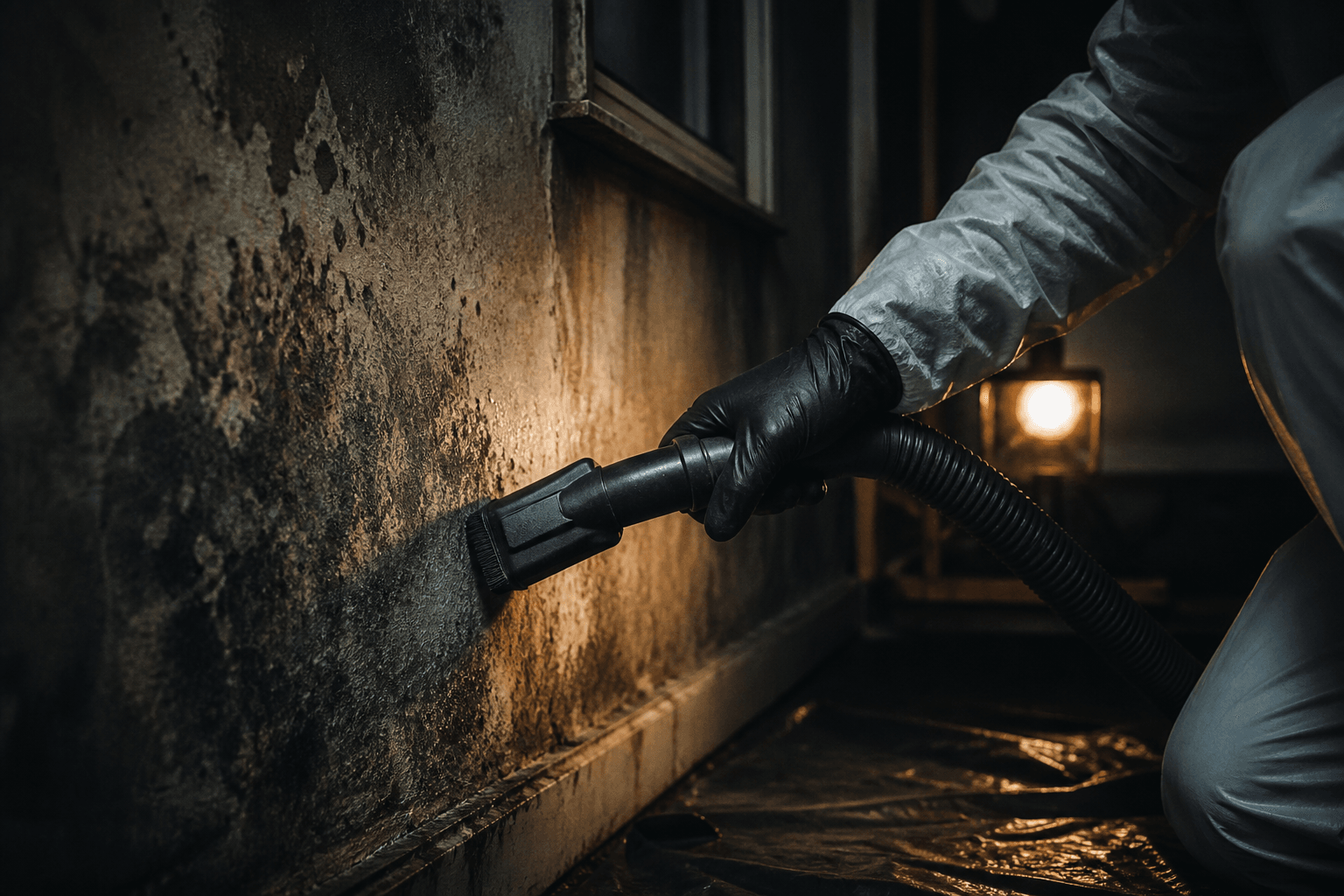
Once the work zone is secure, we handle the mold removal itself. Porous materials like drywall, insulation, and wood framing that have been colonized typically need to come out. Surface cleaning alone isn't enough on those substrates. Non-porous surfaces are HEPA-vacuumed and treated with EPA-registered biocides as part of the abatement protocol.
The step most homeowners don't know to ask about is moisture correction. Mold needs organic material, oxygen, and moisture. You can't remove the first two. But you can fix the moisture source, and until you do, mold will return no matter how thorough the remediation was. We identify that source on every job and either correct it directly or give you clear written recommendations for the trades involved.
We close every mold abatement job with post-remediation verification. Air and surface samples go to an independent lab so we can confirm mold levels are back to background before we wrap up. That clearance report matters for insurance claims, real estate deals, and your own peace of mind.
Warning Signs to Watch For
- Visible mold growth on walls, ceilings, or around windows
- Persistent musty smell that you can't source
- Peeling paint or wallpaper (often signals hidden moisture)
- Rust or mineral staining on concrete walls
- History of water damage, flooding, or plumbing leaks
- Respiratory symptoms at home that improve when you leave
What to Expect From Our Mold Abatement Process
- Initial inspection and moisture mapping of the affected area
- Containment setup with negative air pressure machines and poly barriers
- Physical mold removal of contaminated drywall, insulation, or framing
- HEPA vacuuming of all surfaces in the work zone
- Antimicrobial treatment as part of the abatement protocol
- Moisture source identification and correction or written recommendations
- Post-remediation air and surface sampling for lab verification
- Written clearance report confirming the remediation is complete
When Mold Remediation and Abatement Are Needed in Regina
- Basement moisture infiltration through aging foundation walls or weeping tile
- Plumbing leaks inside wall cavities or under slabs
- Bath fans exhausting into attic spaces instead of outside
- Inadequate vapour barriers in crawl spaces
- Ice dams in winter allowing melt water to enter rooflines
- Poor drainage grading directing snowmelt toward the foundation
Why Regina Property Owners Choose Us
- We follow IICRC S520 mold remediation and abatement standards on every job
- Mold removal includes post-remediation verification testing
- We address moisture sources, not just surface mold
- Full insurance documentation provided for claims support
- Serving Regina and surrounding communities
Questions About Mold Remediation & Abatement in Regina
What's the difference between mold removal, mold remediation, and mold abatement?
Mold removal is the physical act of clearing contaminated materials. Mold remediation is the full process: containment, removal, treatment, moisture correction, and verification. Mold abatement is often used the same way as remediation, with a bit more emphasis on the protocol-driven, documented approach. On our jobs, all three mean the same thing: we don't just clean the mold, we finish the whole process so it stays gone.
Do I need professional mold remediation or can I do it myself?
Small surface mold patches (under 10 sq ft) on non-porous surfaces can sometimes be cleaned by a careful DIYer. Anything larger, anything involving black mold (Stachybotrys), anything inside walls or HVAC systems, or any situation where someone in the home has respiratory issues or immune concerns should be handled by a professional with proper containment and PPE.
Will my insurance cover mold removal and abatement?
It depends on the cause. If the mold resulted from a covered water loss event like a burst pipe or appliance leak, remediation is often covered. Mold from chronic moisture, poor maintenance, or gradual leaks is typically excluded. We provide full documentation including photos, moisture readings, and scope of work to support your claim.
How long does mold remediation take in a typical home?
Most single-area residential jobs (one room or one structural space like an attic) take one to two days. Larger jobs involving multiple areas or structural work can run three to five days. We'll give you a specific timeline estimate after the initial assessment.
What is IICRC S520 mold abatement?
The IICRC S520 is the Standard and Reference Guide for Professional Mold Remediation. It defines best practices for containment, mold removal, treatment, and clearance testing. When we say we work to S520, it means the abatement is done to a documented standard that holds up for insurance, real estate, and health-related situations.